
"Also I heard the voice of the Lord, saying, Whom shall I send, and who will go for us? Then said I, Here am I; send me."
Isaiah 6:8
Isaiah 6:8
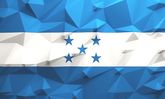
Iglesias Comunidad de Amor, Internacional (Mission Honduras) is a Christian organization that was born in Honduras in the year 2001.
Our mission operates in five Departamentos (States) of Honduras. Our focus is on spreading the gospel of salvation, church planting, church building projects, providing free medical assistance, and operating El Arca Camp and Retreat Center. The missionary team is led by Dr. Hector Newman and assisted by his son, Enrique Newman. Together, they serve as a bridge between the United States and Honduras. Over the years, our organization has planted over 23 churches, and our leadership team includes three regional supervisors covering four different areas of the country. The Lord continues to bless this ministry in a marvelous way. Every year, many mission teams from the United States partner with our organization to help build the Lord’s kingdom.
Honduras has much to offer, including: deep history, beautiful beaches, breathtaking views, unique culture, and valuable exports, so while experiencing what this nation has to offer we are bringing the one thing it needs most of all...Jesus Christ! The Honduran people have been enthusiastic and welcoming of the message of Jesus into their lives. As a result, the demand for more churches and Christian education has inevitably increased. God has met His people's needs once again! This is why we have been called to the nation of Honduras.
Our mission operates in five Departamentos (States) of Honduras. Our focus is on spreading the gospel of salvation, church planting, church building projects, providing free medical assistance, and operating El Arca Camp and Retreat Center. The missionary team is led by Dr. Hector Newman and assisted by his son, Enrique Newman. Together, they serve as a bridge between the United States and Honduras. Over the years, our organization has planted over 23 churches, and our leadership team includes three regional supervisors covering four different areas of the country. The Lord continues to bless this ministry in a marvelous way. Every year, many mission teams from the United States partner with our organization to help build the Lord’s kingdom.
Honduras has much to offer, including: deep history, beautiful beaches, breathtaking views, unique culture, and valuable exports, so while experiencing what this nation has to offer we are bringing the one thing it needs most of all...Jesus Christ! The Honduran people have been enthusiastic and welcoming of the message of Jesus into their lives. As a result, the demand for more churches and Christian education has inevitably increased. God has met His people's needs once again! This is why we have been called to the nation of Honduras.

Our Partners in Ministry


|
|
|

|

|